
Now Reading: The Phantom Limb: Living in the Era of the External Brain
-
01
The Phantom Limb: Living in the Era of the External Brain
The Phantom Limb: Living in the Era of the External Brain
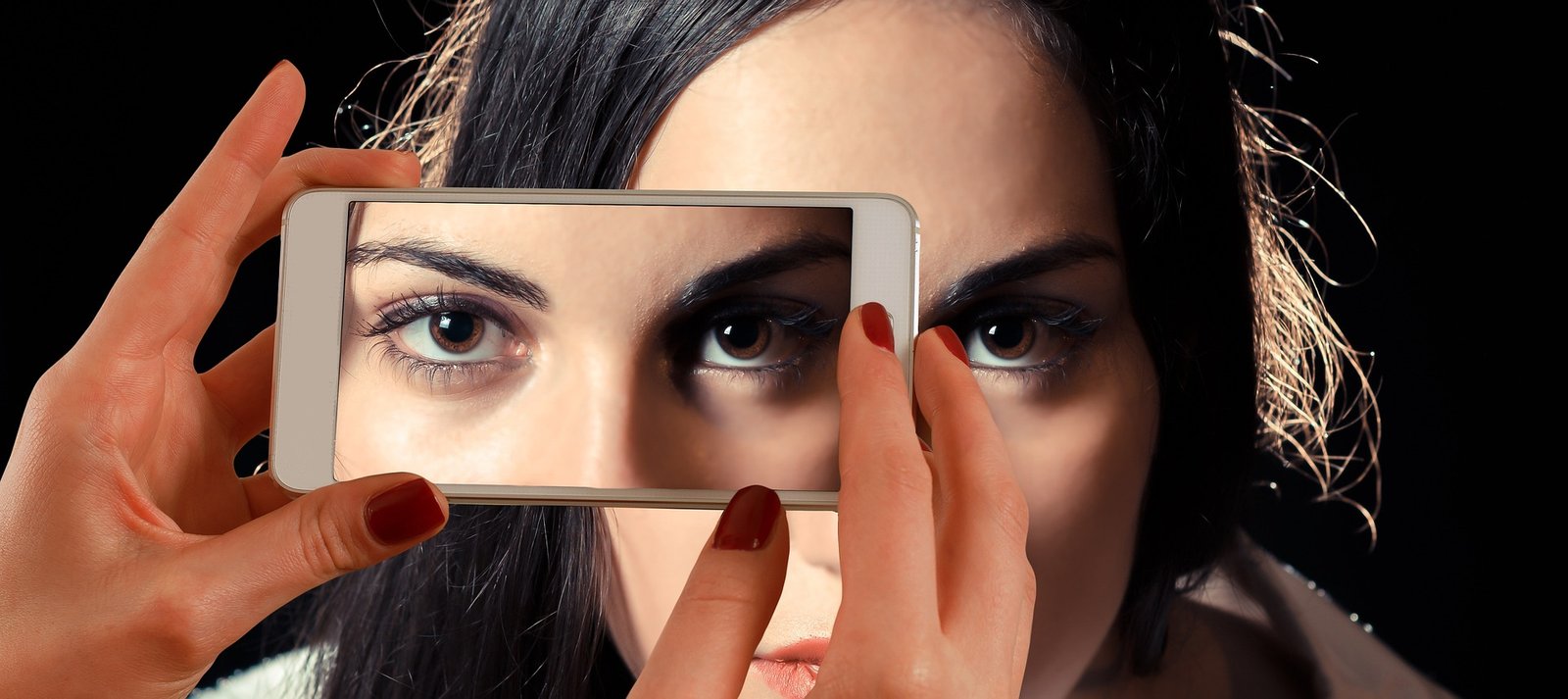
The modern smartphone is no longer just a piece of technology we carry; it has effectively become an extension of our biology. It is our memory, our map, our wallet, and our primary social filter. We don’t just use smartphones—we live through them, experiencing a form of cognitive symbiosis where the boundary between human and machine is thoroughly blurred.
This constant connectivity has fundamentally rewired how our brains function. We no longer need to remember facts when the sum of human knowledge is a three-second search away. Instead, our minds have adapted to remember where to find the information rather than the information itself—a phenomenon psychologists call the Google Effect. While this frees up mental bandwidth for complex problem-solving, it also leaves us feeling strangely paralyzed when the battery dies, exposing a modern vulnerability: the anxiety of being digitally severed from our external brain.
The challenge of the coming decade isn’t about giving up these devices, which would be an exercise in futility. Rather, it is about mastering the balance. We must learn to treat the smartphone as a powerful tool for enhancement, rather than a total replacement for our own presence and focus.
Stay Informed With the Latest & Most Important News
Previous Post
Next Post
Previous Post
Next Post


Advertisement








Advertisement